

Why Most Smart Homes Fail (And How to Build One That Actually Helps Your Life)
Usually, smart homes were thought to be only for rich people or tech lovers.
Lights you talk to?
Curtains that move alone?
A fridge connected to Wi-Fi?
For many people, it sounded useless. They just wanted their house to work… normally.
But today, more and more families are installing smart devices — and many of them are disappointed.
Not because the technology is bad but because it is used in the wrong way.
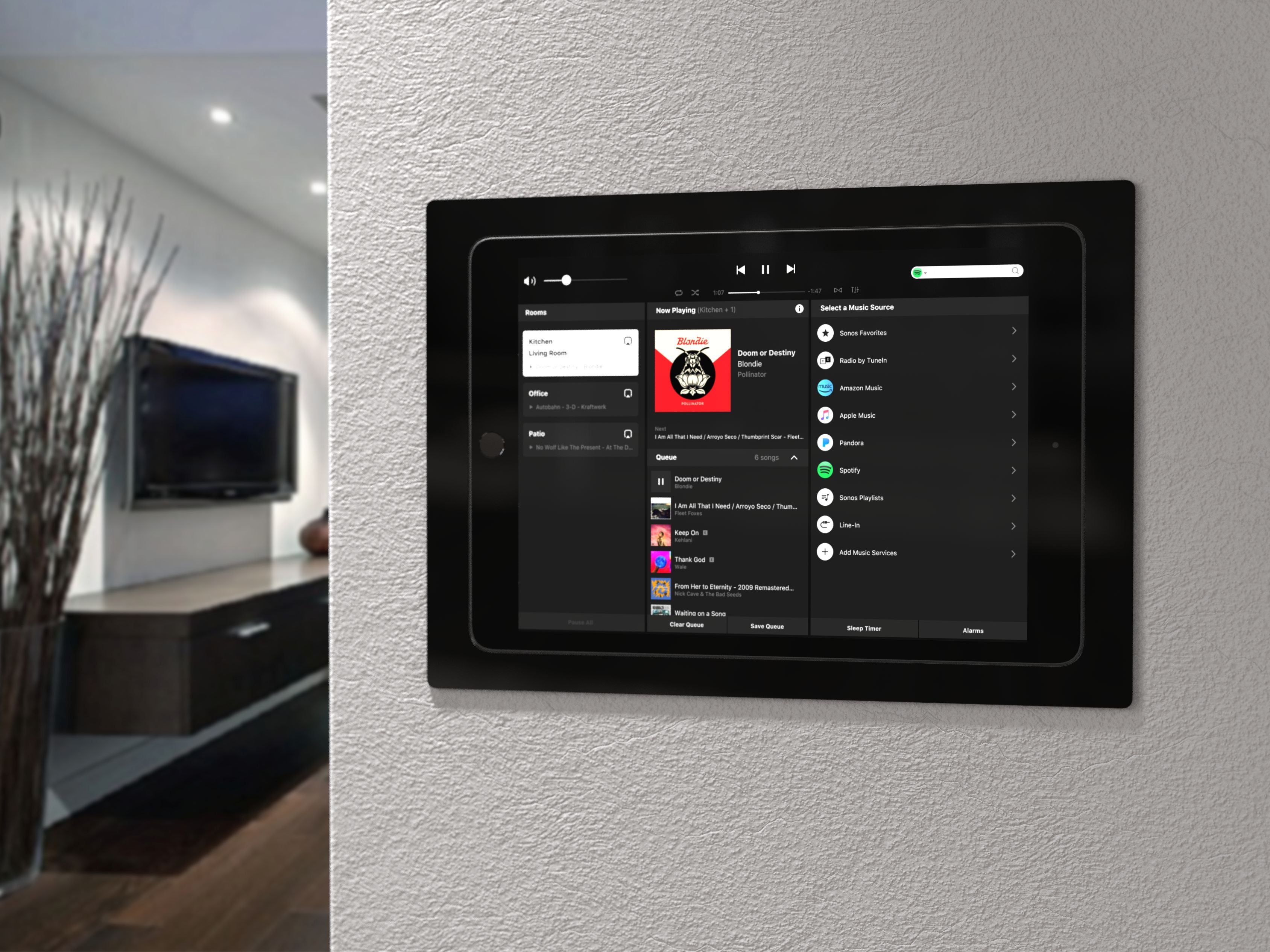
The Most Common Problem: Too Many Devices, No System
In many homes, the situation looks like this:
- One app for lights
- One app for cameras
- One app for heating
- One app for plugs
Sometimes nothing is connected or works together, so instead of simplifying life, the smart home becomes more complicated than a normal house and this is the first reason why most smart homes fail.
Case Example: “Everything Is Smart, But Nothing Is Easy”
In many apartments today, you can see:
✔ Smart bulbs
✔ Smart plugs
✔ Smart camera
✔ Smart speaker
But every device works alone.
At night, people still need to:
- Turn off lights manually
- Check doors
- Adjust temperature
- Close curtains
So what changed?
Almost nothing.
The house is “smart”, but life is not easier.
The Real Goal of a Smart Home (That People Forget)
A smart home is not about gadgets , it is about removing small daily problems.
For example:
❌ Forgetting lights on
❌ Heating empty rooms
❌ Worrying about doors
❌ Wasting electricity
❌ Repeating the same actions every day
A good smart home solves these automatically and bad one doesn’t.
Why Many People Waste Money on Smart Devices
Another common issue is buying random products.
People see promotions online:
“Best smart plug”
“Cheap smart camera”
“New smart lamp”
They buy everything.
After one year:
- 10 devices
- 7 apps
- No automation
- No real benefit
Result: Money spent, little improvement.
This happens very often.
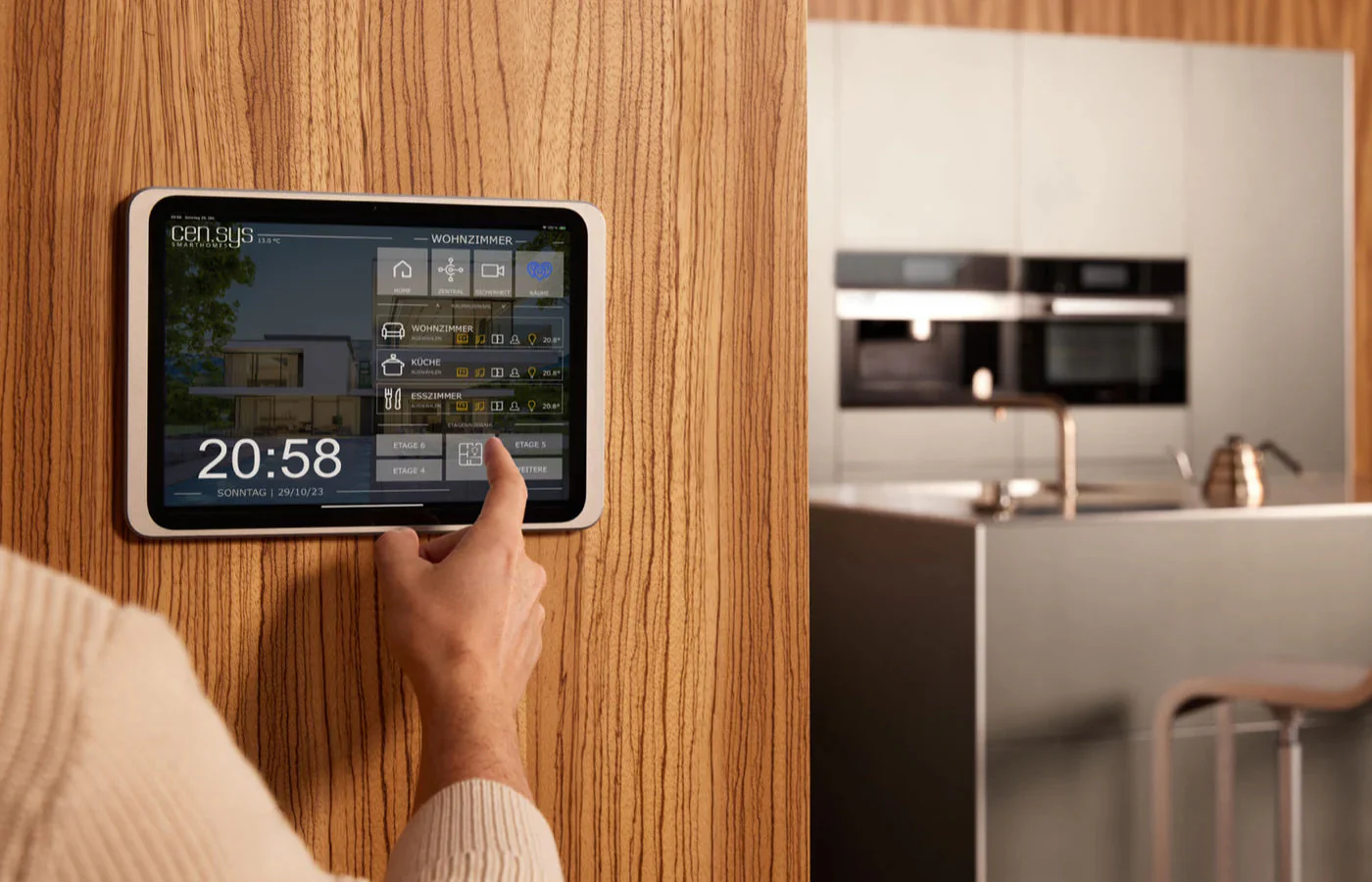
The Missing Piece: One Central Brain
Every successful smart home has one thing:
A central system.
One place that connects everything.
Without this “brain”, automation is impossible.
With it, everything changes.
Example:
When nobody is home →
- Lights off
- Heating low
- Alarm on
- Cameras active
Automatically.
No manual control.
How Smart Homes Really Save Time
Many people think smart homes save time only by using voice commands.
This is wrong.
The real time saving comes from:
✔ No more checking
✔ No more adjusting
✔ No more repeating
✔ No more worrying
Everything happens in the background.
Over one week, this saves hours.
Over one year, it changes daily life.
Impact on Family Life
In many homes today:
Parents check phones
Children watch screens
Everyone manages devices
A well-configured smart home reduces this.
When the house manages itself:
- Less stress
- Less control
- More presence
- More calm moments
Technology becomes invisible.
That is the goal.
The Right Way to Start (Simple and Effective)
Instead of buying many devices, start with four elements:
1️⃣ Smart thermostat
2️⃣ Smart lights
3️⃣ Smart plugs
4️⃣ One hub/app
This is enough to build real automation.
Then grow slowly.
Step by step.
Recommended Smart Home Solutions
👉 Discover complete smart home systems and compatible devices here.
(Insert your affiliate links)
Conclusion
Most smart homes fail because they are built without strategy.
Too many devices.
No system.
No automation.
A successful smart home is different.
It is simple.
Connected.
Invisible.
Helpful.
And it exists to serve life — not to complicate it.